

Europe unveils green electrification plan to become world’s first electro-continent
Energy shift aims to cut fossil fuel imports by €260 billion annually
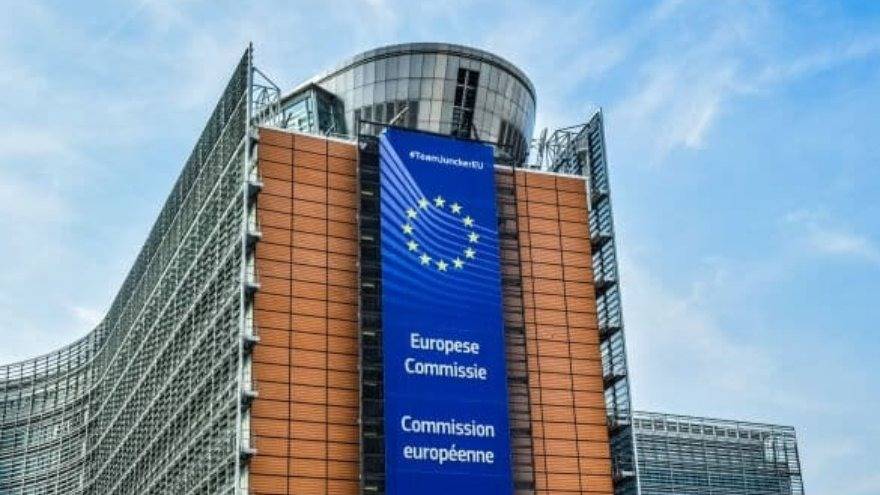
BRUSSELS – The European Commission has unveiled a sweeping electrification action plan designed to accelerate the transition away from fossil fuels and towards electricity across industry, transport and buildings.
The strategy aims to transform Europe into the world's first "electro-powered" continent by significantly expanding the role of electricity in the energy system. If achieved, the plan is expected to strengthen energy security, support climate goals and reduce the bloc's reliance on imported fossil fuels.
Green shift
Under the proposal, electrification would rise from the current 23 percent of total energy consumption to 46 percent by 2040. The Commission estimates that reaching this target could save the European Union around €260 billion each year by cutting fossil fuel imports.
The Commission said wider electrification would make Europe less dependent on imported fossil fuels, boosting economic competitiveness while reducing exposure to geopolitical shocks. The transition is also expected to modernise and decarbonise Europe's energy system, helping accelerate the continent's wider green transformation.
We aim to make Europe the world’s first electro-powered continent.
— European Commission (@EU_Commission) July 18, 2026
Our new plan could cut gas demand by two-thirds, halve oil use, and save €260 billion in fossil fuel imports by 2040.
How? ↓???? pic.twitter.com/p41bkWNvjJ
Consumers are also expected to benefit from lower long-term energy costs. According to the Commission, driving a battery-electric vehicle can reduce running costs by up to 78 percent compared with an equivalent fossil fuel-powered vehicle. Replacing traditional gas boilers with heat pumps could lower the average household's heating bill across the EU by as much as 60 percent.
Key challenges
Despite the potential benefits, the Commission acknowledged that several obstacles continue to slow the pace of electrification. Electricity prices in many cases remain around three times higher than gas, while lengthy grid connection processes can delay projects for years. It also noted that many innovative clean-energy technologies fail to reach commercial scale, and businesses often lack sufficient incentives to replace fossil fuel-based systems with electric alternatives.
To overcome these barriers, the new action plan outlines a package of measures aimed at narrowing the price gap between electricity and fossil fuels while encouraging greater adoption of electricity-based technologies. These include increased support for heat pumps, battery-electric vehicles, batteries and other clean energy solutions intended to accelerate Europe's transition to a more sustainable and resilient energy future.